Chassis Systems
Chassis-2W, Chassis-3W, Chassis-Bike2, Chassis-Car, and Collage-Chassis for multiple vehicle configurations.
Drivetrain Validation
ATS Group supports chassis dynamometers, emissions analysis, ETAS measurement solutions, and combustion tools for complete power train development, calibration, and validation workflows across India.
Power Train
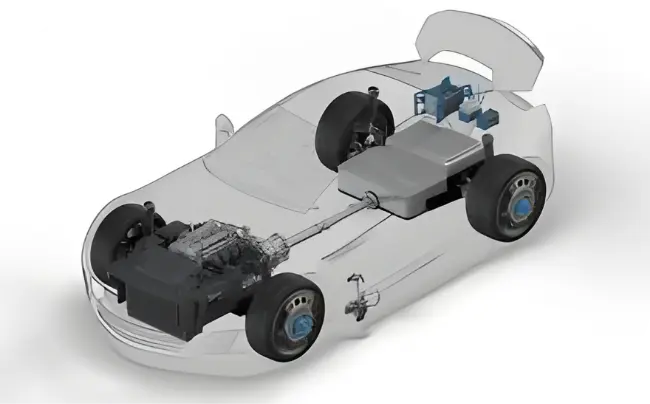
A power train is the complete system that generates power and delivers it to the wheels through interconnected components. It includes the engine, transmission, drivetrain, and final drive elements that transfer torque to move your vehicle.
Modern automotive development demands precise power train validation services that can measure drivetrain performance, emissions, combustion quality, torque behaviour, efficiency, and drivability under controlled conditions.
Coverage
Chassis-2W, Chassis-3W, Chassis-Bike2, Chassis-Car, and Collage-Chassis for multiple vehicle configurations.
Emission-Combustion, Horiba, SPC, and integrated emission/ETAS/combustion workflows.
ETAS ES592, ETAS Lambda Kit, and Kistler KiBox for acquisition, calibration, and combustion insight.
Next Step
Get technical guidance for chassis dynamometer, emissions, ETAS, combustion, and validation workflows.
Fast response for quotation, consultation, and application support.
Chassis Systems
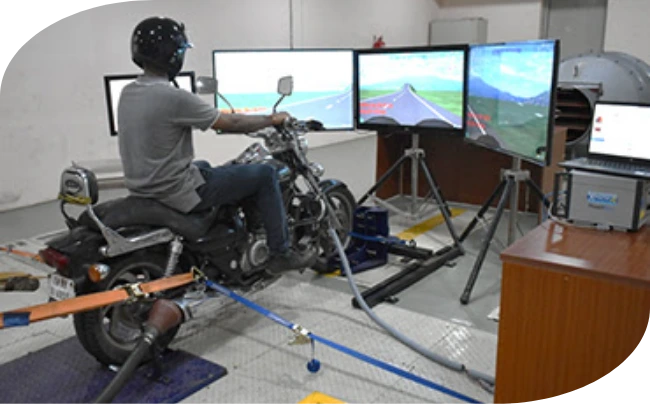
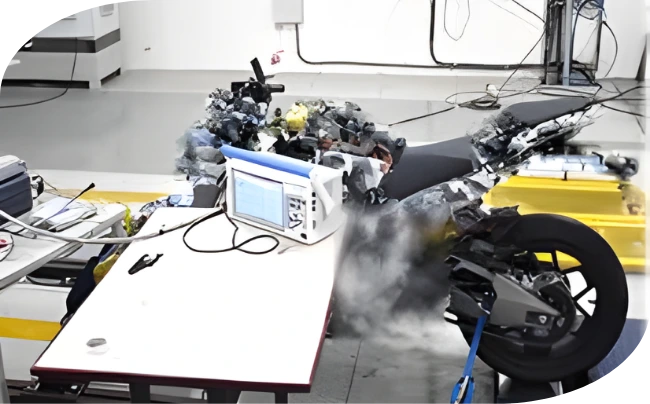
The Chassis-2W testing system uses two primary powered wheels with a support wheel or caster for balance. It supports compact two-wheel power train testing, rolling response measurement, and repeatable control validation.
This platform serves motorcycle manufacturers, electric bike developers, and compact mobility teams requiring cost-effective bike dynamics testing.
Chassis Systems
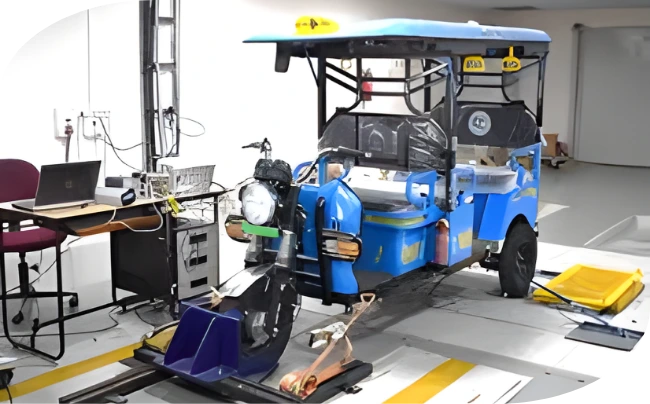
Chassis-3W dynamometer technology features a three-wheel base structure with two powered wheels and one free-rotating support wheel.
It is valuable for e-rickshaw producers, commercial transport validation, and specialized three-wheel vehicle studies requiring stability and easy integration.
Chassis Systems
Chassis-Bike2 validation systems provide compact platforms aligned to lightweight two-wheel style applications for movement, control, and bike-oriented dynamics.
This solution supports motorcycle OEMs, electric scooter developers, motorsport teams, and lightweight power train studies.
Chassis Systems
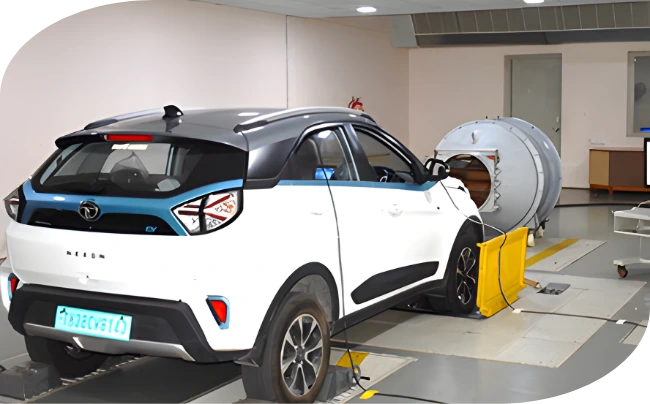
The Chassis-Car testing platform provides a robust four-wheel car-like base with strong stability and smooth movement for passenger vehicle drivetrain validation.
It supports motors, controllers, batteries, sensors, and heavier loads for EV developers, car manufacturers, and research institutes.
Collage View
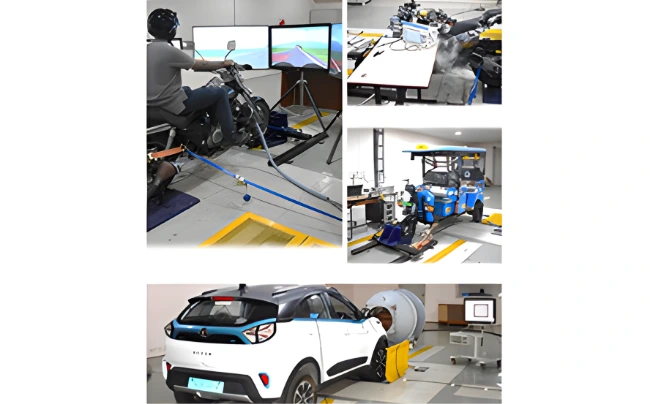
The Collage-Chassis section combines different chassis types into one presentation view to compare structures, use cases, and design differences across 2-wheel, 3-wheel, bike, and car-style chassis categories.
Emissions and Combustion
Measure pollutant formation for compliance, calibration, and cleaner combustion strategies.
Track air-fuel ratio behaviour and oxygen content for better ECU calibration.
Capture high-speed sensor and ECU signals for detailed engineering evaluation.
Use in-cylinder pressure analysis to improve timing, efficiency, and knocking behaviour.
Concept Overview
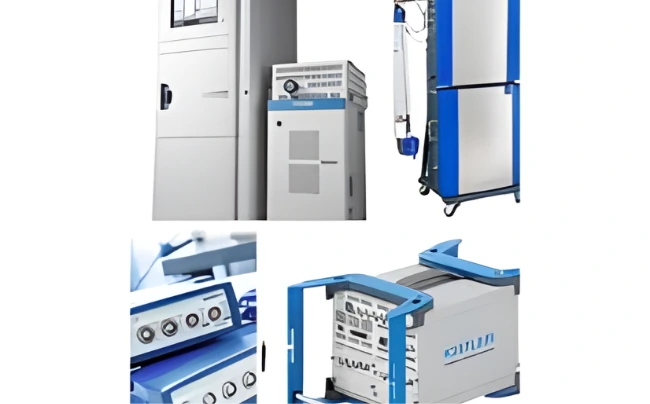
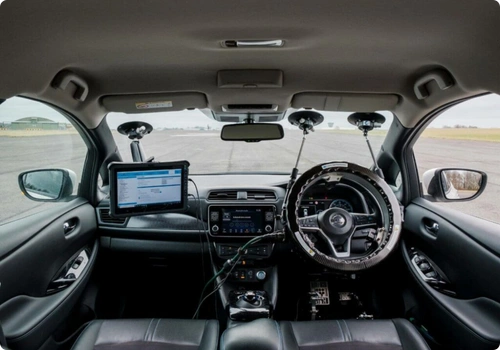
This section presents emissions, ETAS tools, and combustion processes in one visual layout. It shows how fuel combustion leads to emissions and how engineering tools monitor, analyze, and optimize engine performance.
Emissions
Emission-Combustion represents the fuel-burning process inside engines and the resulting release of gases and particles including CO2, CO, NOx, and particulate matter.
Combustion quality directly affects engine performance and pollution output, making accurate measurement critical for engine development.
Emissions
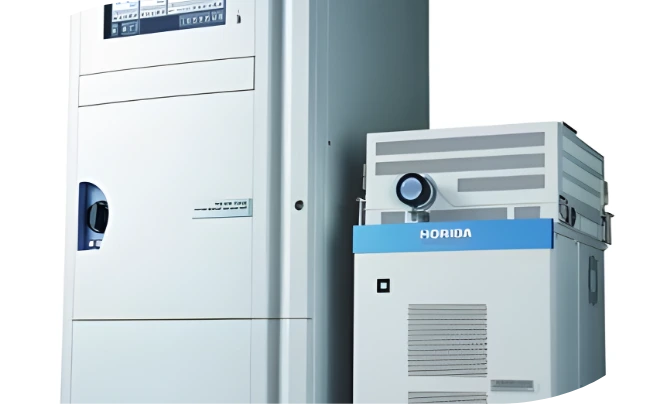
Emission-Horiba refers to advanced Horiba emission measurement systems that analyze pollutants produced during combustion, including carbon dioxide, carbon monoxide, nitrogen oxides, and hydrocarbons.
These systems support compliance, engine performance monitoring, and combustion optimization.
Emissions
Emission-SPC uses Statistical Process Control to monitor and control emission levels during industrial or engine combustion processes.
By analyzing emissions data over time, engineers can detect variation early and maintain processes within environmental limits.
Next Step
Get technical guidance for chassis dynamometer, emissions, ETAS, combustion, and validation workflows.
Fast response for quotation, consultation, and application support.
ETAS Solutions
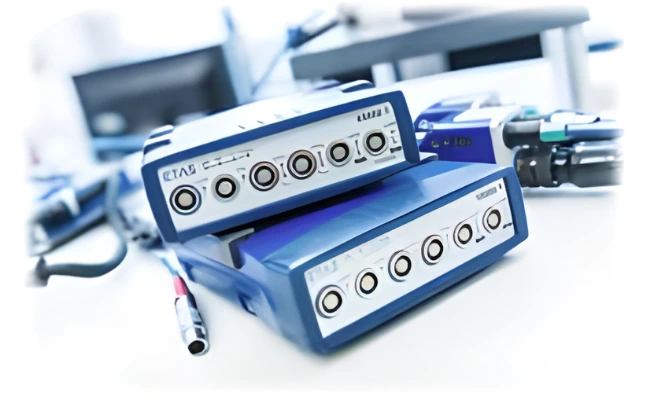
ETAS ES592 is a compact data acquisition and measurement module from ETAS GmbH used in automotive testing and development.
It captures high-speed signals from sensors and ECUs, supporting measurement, calibration, and diagnostic workflows.
ETAS Solutions
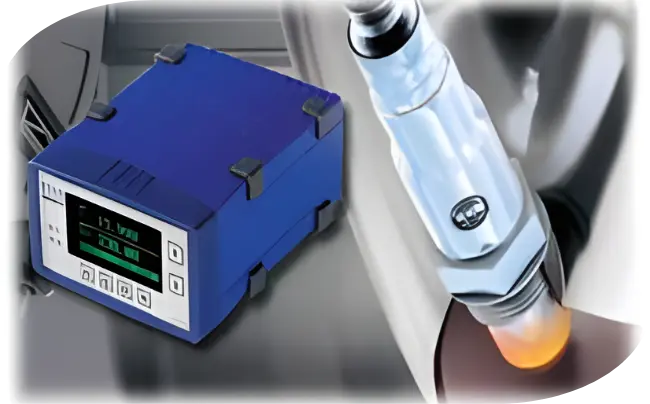
The ETAS Lambda Kit measures air-fuel ratio and oxygen content in engine exhaust gases using lambda modules, sensors, wideband probes, and connection hardware.
It supports calibration, emissions studies, and combustion-efficiency optimization.
Combustion Analysis
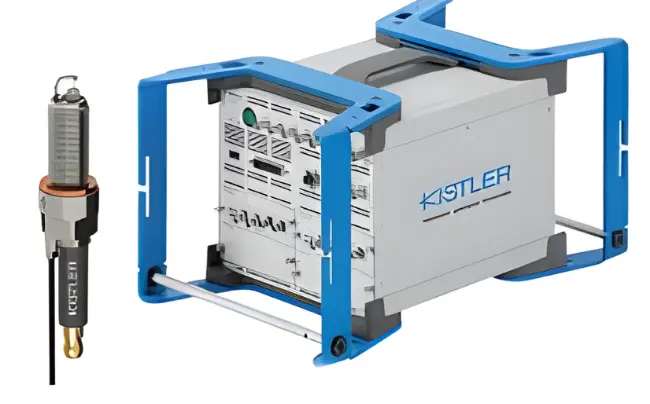
Kistler KiBox is an advanced combustion analysis and engine measurement system that captures in-cylinder pressure and related engine parameters in real time.
It helps engineers understand ignition timing, heat release, knocking behaviour, and engine efficiency.
Why Choose ATS
ATS Group combines automotive testing expertise with technology from global leaders like ETAS, Horiba, and Kistler. Our Pune-based facility supports manufacturers across Maharashtra with complete chassis dynamometer, emissions measurement, combustion analysis, ETAS data acquisition, Lambda Kit, and KiBox workflows.
Auto Technical Service India Pvt Ltd
Auto Technical Service India Pvt Ltd provides comprehensive power train validation, chassis dynamometer testing for 2W/3W/bike/car vehicles, emission measurement using Horiba systems, combustion analysis with Kistler KiBox, ETAS ES592 data acquisition, Lambda Kit air-fuel ratio monitoring, and SPC emission control throughout India.
Support
This page covers chassis categories, emissions and combustion sections, ETAS ES592, ETAS Lambda Kit, and Kistler KiBox.
Chassis validation evaluates vehicle base configurations, motion response, control behaviour, torque behaviour, rolling response, and suitability for development programs.
Emissions tools help engineers measure pollutants, optimize combustion quality, and support environmental compliance.
ETAS ES592 provides compact high-speed data acquisition for sensors and ECUs, supporting measurement, calibration, and diagnostics.
Kistler KiBox analyzes in-cylinder pressure, ignition timing, heat release, knocking behaviour, and combustion efficiency.
Contact ATS Group
Need support with power train validation, emissions analysis, or ETAS-based measurement? ATS Group aligns chassis systems, emissions tools, and combustion analysis solutions to your development and compliance requirements.
ATS Group
Share your requirement and our engineering team will contact you for testing, instrumentation, compliance, quotation, or product support.