Sensors & Telemetry
Sensors and Telemetry Solutions for Automotive Testing and Measurement
Reliable telemetry systems, accelerometer sensors, and wireless measurement solutions for dynamic automotive and industrial testing.
Measurement Overview
Advanced Sensors and Telemetry for Dynamic Test Environments
Modern vehicle development and performance validation demand highly reliable sensors and telemetry solutions. In automotive, industrial, and research applications, the ability to collect accurate data from moving parts, rotating components, and dynamic test environments is essential.
Advanced telemetry systems and accelerometer sensors are widely used for drivetrain testing, vibration analysis, rotating machinery monitoring, and product validation.
Whether the application requires a wireless telemetry system, a triaxial accelerometer, or a complete automotive telemetry system, the right technology can significantly improve test accuracy and data reliability.
Wireless Measurement
imc Telemetry for Dynamic Measurement
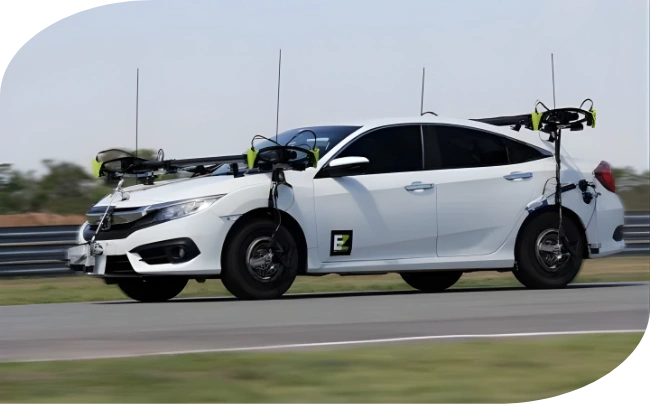
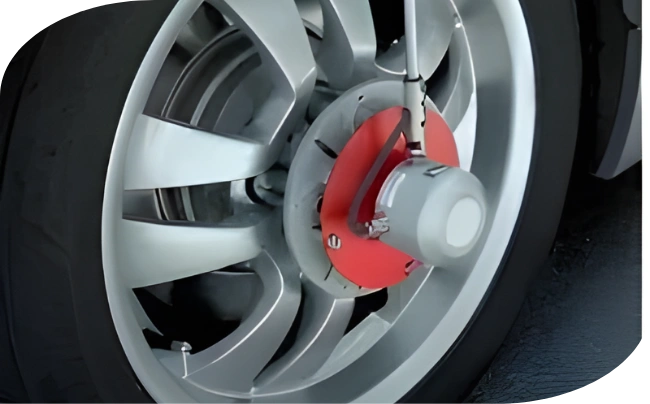
imc telemetry is a flexible solution for wireless data transmission in demanding measurement environments. It is commonly used where direct cable connections are not possible due to rotation, movement, or space constraints.
This makes it highly suitable for rotating shaft telemetry, drivetrain development, automotive testing, and industrial machinery measurement.
Talk to ATS Group
Connect Sensors and Telemetry with Confidence
Get support for sensor chains, telemetry systems, acquisition, and analysis workflows.
Quick support for product selection and technical consultation.
Automotive Telemetry
Atesteo Telemetry for Automotive and Commercial Vehicle Testing
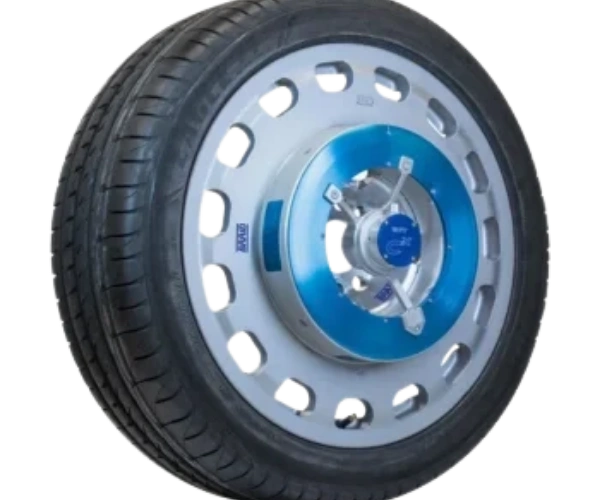
Atesteo telemetry is designed specifically for automotive and commercial vehicle applications, with a strong focus on drivetrain measurement.
This solution is useful for capturing key parameters such as torque, acceleration, pressure, temperature, and speed in real-world and laboratory testing conditions.
For manufacturers and test engineers, Atesteo telemetry systems offer a practical way to measure rotating or moving components without interfering with their operation.
Vibration & Shock
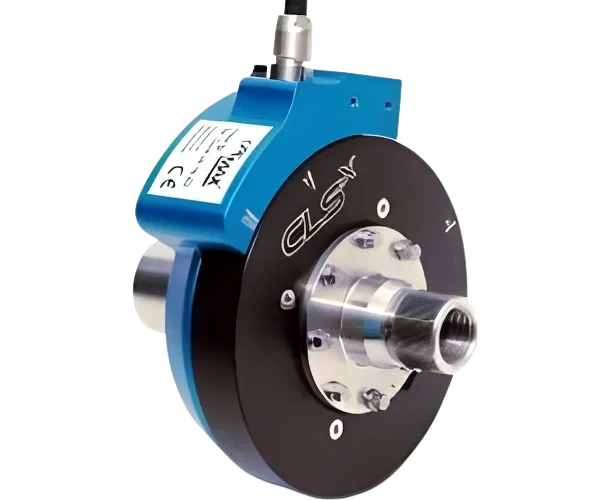
Kistler Triaxial Accelerometer for Vibration and Shock Testing
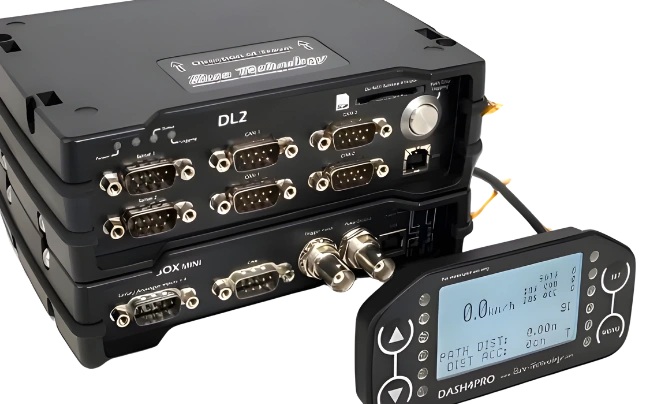
The Kistler triaxial accelerometer is widely used in applications where three-axis vibration and motion measurement is required. It is especially valuable in automotive testing, structural analysis, and high-dynamic measurement environments.
Engineers rely on a triaxial accelerometer to evaluate vibration patterns, impact response, and directional acceleration in complex test conditions.
Motion Measurement
imc Accelerometer for Reliable Motion Measurement
The imc accelerometer range supports dynamic measurement tasks where stable and accurate acceleration data is essential. These sensors are often used alongside telemetry and data acquisition systems in automotive development, engineering research, and test bench applications.
A high-quality vibration measurement sensor is critical when analyzing vehicle behavior, structural response, and component performance under different operating conditions.

Impact Testing
EZ Metrology EZ Slam for Impact and Dynamic Testing
EZ Metrology EZ Slam is suited for applications where impact, transient motion, or rapid dynamic response must be measured and analyzed. In testing environments where short-duration events matter, the ability to capture and interpret the data correctly is essential.
Solutions like EZ Metrology EZ Slam support engineers who need to understand how a product responds under sudden force, slam conditions, or transient loading.
Use Cases
Applications of Sensors and Telemetry Systems


Why These Matter
Why These Solutions Matter
Choosing the right sensor solutions is not only about collecting data; it is about collecting the right data in the right way. The combination of imc telemetry, Atesteo telemetry, Kistler triaxial accelerometer, imc accelerometer, and EZ Metrology EZ Slam gives engineers a broad measurement capability across multiple testing scenarios.
A well-designed automotive telemetry system can reduce wiring complexity, improve test flexibility, and support more accurate measurement in moving systems. Likewise, the right accelerometer sensors help capture vibration, impact, and motion data with the clarity needed for better analysis and decision-making.
Auto Technical Service India Pvt Ltd
Application-Based Telemetry and Sensor Support
Auto Technical Service India Pvt Ltd provides these services with a focus on high-quality telemetry systems, advanced accelerometer sensors, and reliable measurement solutions for automotive and industrial testing applications.
The company supports customers with application-based sensor selection, telemetry integration, and technical solutions designed to improve testing accuracy and measurement efficiency.

Next Step
Need Sensor and Telemetry Support?
Connect your vehicle sensors, telemetry systems, and data workflows with practical technical guidance.
Fast response for product selection, quotation, and technical consultation.