imc WAVE
Modular NVH analysis software for acoustic, vibration, order tracking, FFT, and structural analysis workflows.
Automotive Validation
ATS Group provides test rigs for NVH analysis, road simulation, pass-by noise testing, and damper validation in automotive engineering applications.
Overview
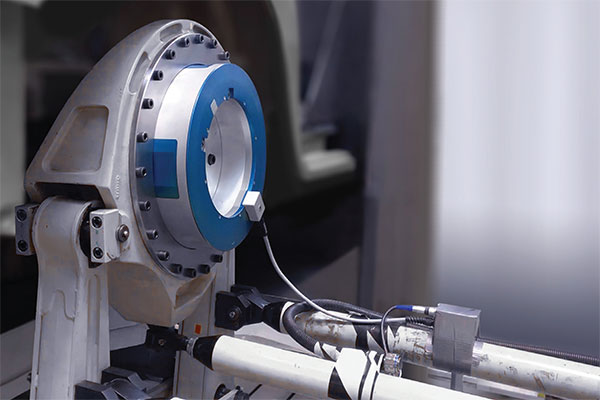
Our solutions include imc WAVE, pass-by noise testing systems, SEA Four + Four Poster road simulators, and damper testers designed to improve measurement quality, repeatability, and validation speed.
In vehicle development, test rigs are essential because they bring real-world behaviour into a controlled laboratory environment.
Controlled Testing
Test rigs allow engineering teams to measure noise, vibration, ride quality, suspension response, and durability with much greater accuracy than subjective road evaluation alone.
They create repeatable conditions for faster decisions, stronger comparison, and better validation confidence.
Portfolio
Modular NVH analysis software for acoustic, vibration, order tracking, FFT, and structural analysis workflows.
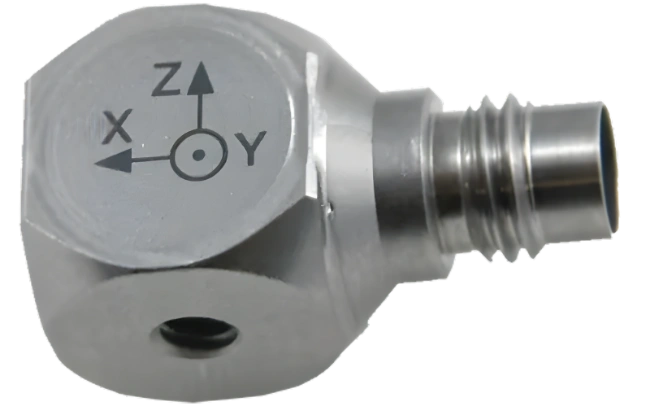
Complete drive-by noise measurement with vehicle kit, trackside PC, sound meters, wireless link, and optical trigger.
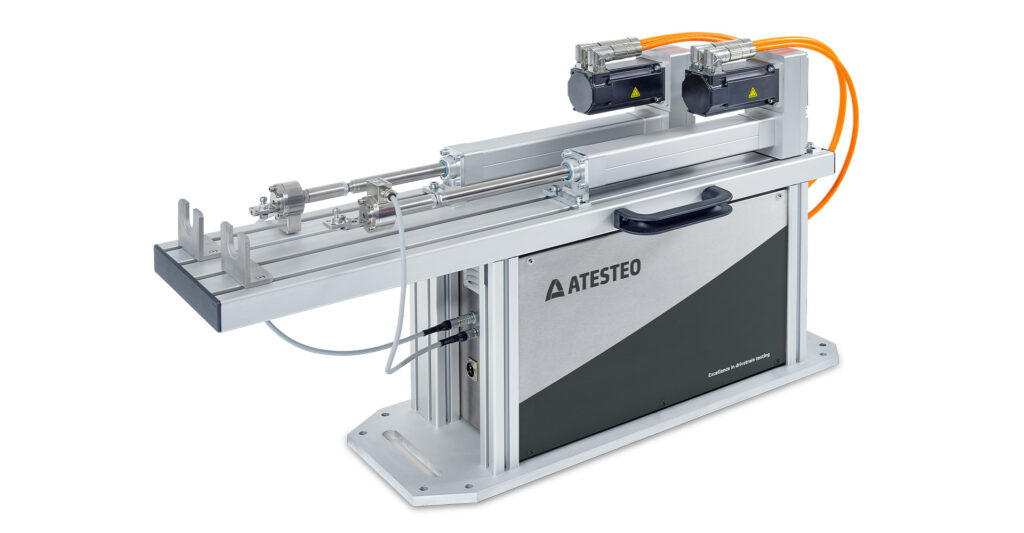
Servoelectric road simulation for ride, durability, NVH, BSR, and accelerated life testing.
Next Step
Discuss NVH, road simulation, pass-by noise, damper testing, suspension durability, and reporting requirements with ATS Group.
ATS Group supports rig selection, quotation, configuration, and technical consultation.

imc WAVE
imc WAVE is a modular and powerful software platform for noise and vibration analysis. It supports acoustic measurements in road tests, structural analysis on the test bench, and vibration studies on machines.
ATS Group presents imc WAVE as the analysis layer that turns raw vibration and sound data into meaningful engineering results.
NVH Workflow
Pass-by Noise
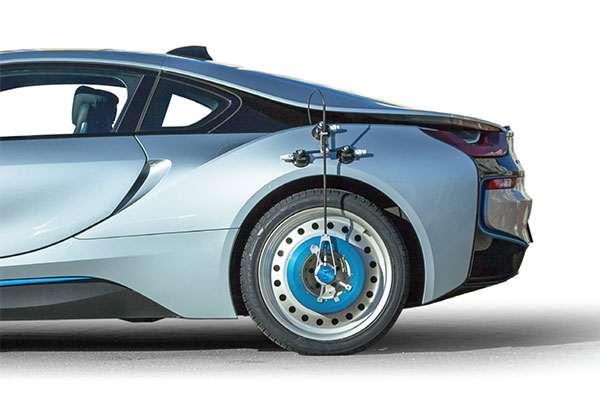
Pass-by noise testing systems measure the exterior noise emitted by a vehicle as it passes a fixed point. These systems are widely used for cars and motorcycles.
ATS Group can position this as a complete pass-by noise measurement solution with vehicle-mounted kit, trackside PC, sound meters, wireless data link, and optical trigger.
Drive-by Measurement
The vehicle-mounted unit collects relevant test signals including speed and RPM.
Trackside sound meters record exterior sound level during each run.
The optical trigger starts the test sequence for repeatable event capture.
Wireless transfer and Performance Monitor software support instant feedback.
Road Simulation
SEA Four and four-poster systems reproduce real-world road inputs with high precision. These servoelectric road simulators support four-poster, body-coupled, aero-loading, durability, NVH, buzz, squeak and rattle, research, and accelerated life testing.
They are especially valuable for suspension tuning, vehicle refinement, and durability validation.
Road Load Reproduction
Damper Testing
Damper testers evaluate shock absorbers, dampers, struts, and related suspension components under controlled motion and load.
They support performance characterization, durability testing, and long-duration service-life evaluation for ride quality, stability, and suspension endurance programs.
Suspension Insight
Damper testers help engineers measure damping behaviour across different loads and speeds. This supports product comparison, comfort improvement, and confidence before vehicle launch.
Next Step
ATS Group can help align rig type, software, sensors, severity, reporting expectations, and validation objectives.
ATS Group supports rig selection, quotation, configuration, and technical consultation.
Applications
ATS Group test rig solutions support NVH analysis, road simulation, drive-by noise testing, suspension durability, machine vibration studies, and component validation.
Why ATS Group
ATS Group presents these solutions as part of a complete test-rig and validation capability rather than separate products. That means helping customers choose the right rig or software based on the application, test severity, and reporting expectations.
For engineering teams, this creates a clearer path to better measurement, faster iteration, and stronger confidence in the final validation outcome.
Contact ATS Group
If you need test rigs for NVH analysis, pass-by noise measurement, road simulation, or damper testing, ATS Group can help you choose the right solution for your project.
Auto Technical Service India Pvt Ltd provides these services including test rigs, imc WAVE NVH analysis support, pass-by noise testing systems, SEA Four + Four Poster road simulators, damper testers, and automotive validation solutions across India.
Support
imc WAVE is used for NVH analysis, including sound pressure, sound power, FFT, order tracking, vibration, and structural analysis.
A pass-by noise testing system measures the exterior sound emitted by a vehicle as it passes a fixed test point.
A four-poster road simulator is used to reproduce real-world road inputs for ride, durability, NVH, and accelerated life testing.
Damper testers measure shock absorber and suspension component behaviour under controlled motion, load, and speed conditions.
Yes, ATS can help match the rig, software, and workflow to your validation objective and test environment.
ATS Group
Share your requirement and our engineering team will contact you for testing, instrumentation, compliance, quotation, or product support.