Battery Systems Testing
Evaluate charge and discharge behavior patterns, cycle life duration, cell performance metrics, and pack simulation accuracy across demanding electrified vehicle programs.
E-Mobility Testing
Support battery, inverter, e-motor, and high-voltage validation with complete EV testing systems built for research, development, and production manufacturing in India.
Electric Vehicle
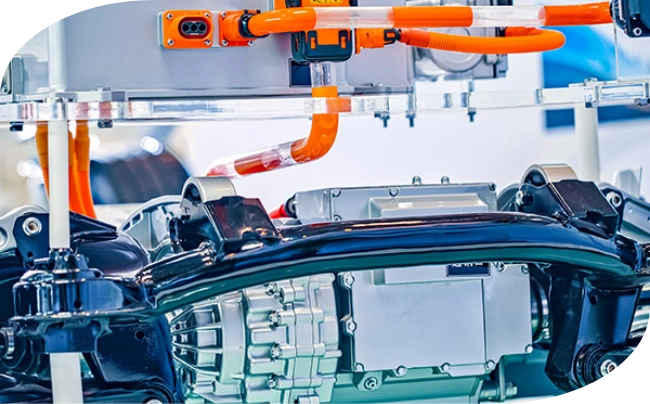
An electric vehicle runs on electric power instead of petrol or diesel, using a rechargeable battery pack to drive the motor efficiently. As EV platforms evolve rapidly with new technologies, comprehensive testing becomes essential for battery safety, performance optimization, durability validation, charging behavior analysis, and drivetrain efficiency measurement.
Auto Technical Service India Pvt Ltd supports electrification programs with advanced test benches, high-voltage measurement modules, battery system validation tools, and e-motor testing equipment that help engineering teams build safer and more reliable electric vehicles across India growing automotive sector.
EV Solutions
Next Step
Get technical guidance for your EV validation workflow, system selection, and test bench configuration.
Fast response for quotation, consultation, and application support.
Applications
Evaluate charge and discharge behavior patterns, cycle life duration, cell performance metrics, and pack simulation accuracy across demanding electrified vehicle programs.
Measure temperatures and low voltages safely at high-voltage common-mode levels up to 800V or higher in batteries and HV components.
Validate drive systems, inverter behavior patterns, and emulated motor conditions with controlled, repeatable test hardware.

EV Product
E-mobility is driving major investment in alternative drivetrains worldwide, and the Atesteo electric test bench supports this transformation with focused testing services for electric and hybrid vehicles in India.
It helps engineering teams evaluate electric powertrain systems with controlled, repeatable conditions from a specialized e-mobility test platform designed for durability testing, efficiency measurements, and environmental simulation.
Next Step
Get technical guidance for your EV validation workflow, system selection, and test bench configuration.
Fast response for quotation, consultation, and application support.
Test Bench Platform
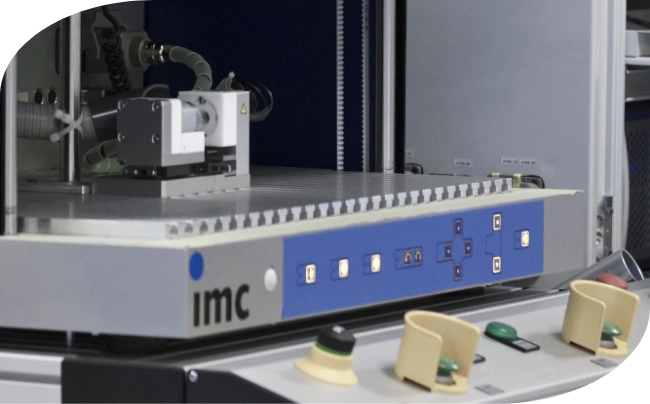
imc develops modern and flexible test stands for research, development, and production using its own in-house measurement hardware and software platform established worldwide in the testing market.
From planning and construction through implementation and retrofit support, the turnkey test stand system protects your investment while enabling future-ready EV test environments compliant with safety regulations.

High Voltage Measurement
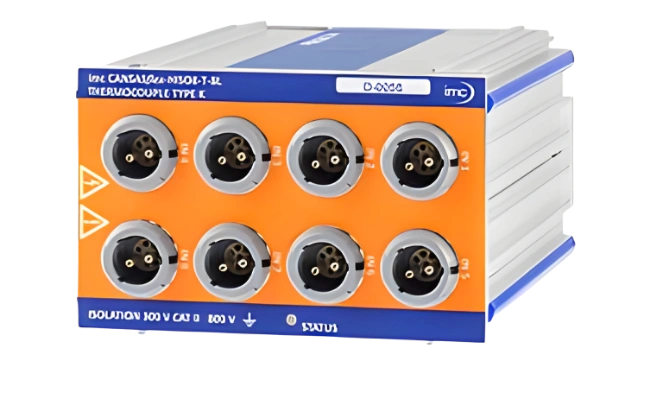
The imc CANSAS-HISO8 series enables safe and precise measurement of temperatures and low voltages at high-voltage common-mode levels up to 800V or higher, as found in batteries and HV components.
Designed for hybrid and electric vehicle applications where safety, accuracy, and electrical isolation are critical, this specialty module integrates with imc CANSAS DAQ systems.
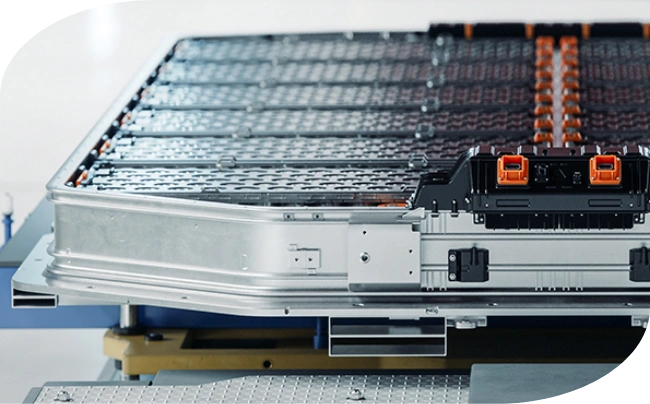
Battery Validation
Batteries in modern electrified powertrains must meet demanding performance requirements while supporting robust charge and discharge cycles throughout their lifespan.
UNICO battery cycler systems validate energy storage behavior, power output capabilities, and efficiency under controlled laboratory conditions with exceptional channel density.
Next Step
Get technical guidance for your EV validation workflow, system selection, and test bench configuration.
Fast response for quotation, consultation, and application support.

Battery Emulation
In standard operating mode, the battery simulator controls output voltage using either a fixed or dynamic set point, and can reduce voltage in response to load to simulate impedance behavior of a real battery pack.
The programmable response helps engineering teams model specific battery designs and evaluate system behavior without depending on a physical battery pack.
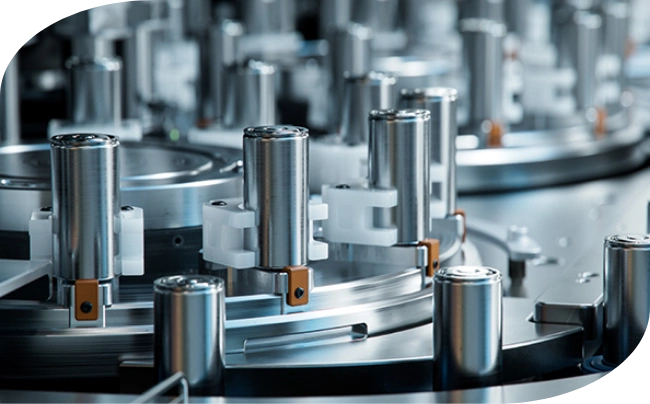
Cell Testing
UNICO BAT100 Cell Tester is a compact, high-performance solution for battery cell testing with exceptional channel density and lab efficiency for scaling testing operations.
It supports up to 64 channels at 300A per system or up to 512 channels at 12.5A, helping teams scale battery cell testing without wasting laboratory footprint.

Drive Emulation
Inverter-driven electric motors are central to modern EV powertrains and require precise validation for efficiency measurement, performance optimization, and reliability confirmation.
E-motor dyno drive systems electronically replicate motor behavior for controlled, repeatable, and highly accurate inverter testing without traditional dyno limitations.
E-Motor Emulator
This universal e-motor emulator works with common AC motor types, including asynchronous induction motors, synchronous permanent magnet motors, and internal permanent magnet motors.
Popular configurations support DC input from 0 to 900VDC with nominal 520VAC rating, making it flexible for broad EV development programs.
Inverter Platform
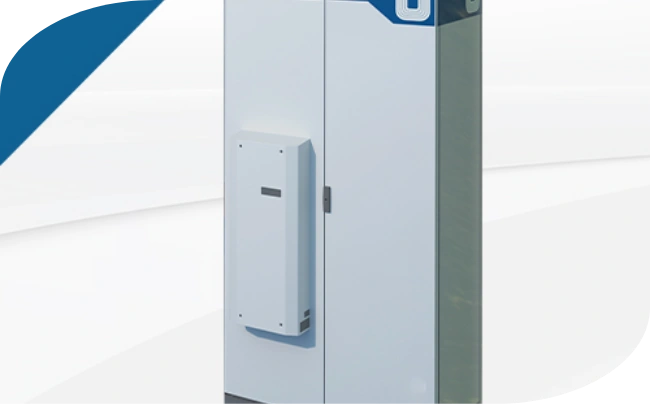
This universal inverter platform works seamlessly with common AC motor types for comprehensive EV inverter testing and validation across different powertrain configurations.
The flexible design supports DC input from 0 to 900VDC with 520VAC nominal rating, enabling broad compatibility across electric vehicle development programs.
Integrated Solution
Keep pace with automotive transformation using end-to-end EV test solutions designed for safety compliance, reliability validation, and optimal performance achievement.
This 29KW E-Motor Test Rig supports electric test benches, high-voltage modules, battery cyclers, battery emulators, cell testing equipment, and e-motor validation in one workflow.

Compact Test Rig
For smaller capacity motor testing and development programs, the 10KW E-Motor Test Rig provides indigenous motor test bench capabilities for certification and evaluation testing.
This compact solution supports OEM-based development programs across India electric mobility sector.
Vehicle-Level Testing
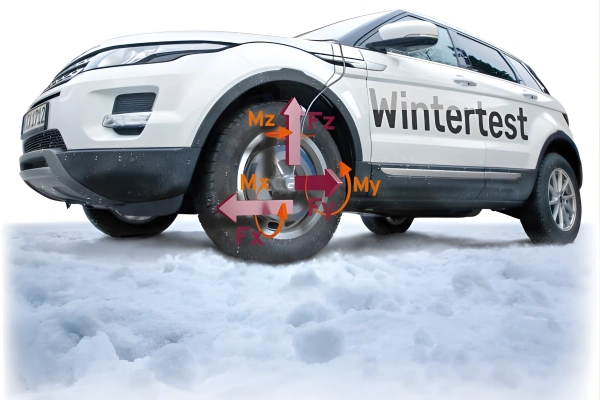
A portable universal chassis dynamometer based on differential system architecture is designed for electric vehicle conversion testing, RPM measurement, torque analysis, and power testing.
This affordable chassis dynamometer solution enables comprehensive electric vehicle testing with portability and cost-effectiveness for development labs.

EV Testing Applications
Our electric vehicle testing solutions serve multiple applications including endurance testing of gears and bearings, functional testing with Performance Test ECE-R 85 standards, efficiency measurements, and environmental simulation from -40C to +160C temperature ranges.

Auto Technical Service India Pvt Ltd
Auto Technical Service India Pvt Ltd delivers comprehensive electric vehicle testing solutions across India, offering electric test bench systems, high electric voltage modules with data loggers, battery cyclers, battery emulators, battery cell testing equipment, e-motor dyno drive systems, e-motor emulators, and universal inverters.
Our complete end-to-end test solutions for electric mobility include the 29KW and 10KW E-Motor Test Rigs plus Universal Chassis Dynamometer systems, ensuring your EV is safe, reliable, and optimally performing across research, development, and production environments.
Support
It is a controlled test setup used to validate batteries, inverters, motors, high-voltage systems, and complete electric drive platforms.
High-voltage measurement helps engineers safely capture electrical behavior in EV batteries and HV components during validation.
A battery cycler evaluates charge, discharge, lifecycle durability, and power behavior for cells, modules, and battery packs.
An e-motor emulator electronically replicates motor behavior so inverters and drive systems can be tested in controlled conditions.
Yes. ATSIPL supports product selection, application guidance, quotation, and technical consultation for EV validation programs.
ATS Group
Share your requirement and our engineering team will contact you for testing, instrumentation, compliance, quotation, or product support.