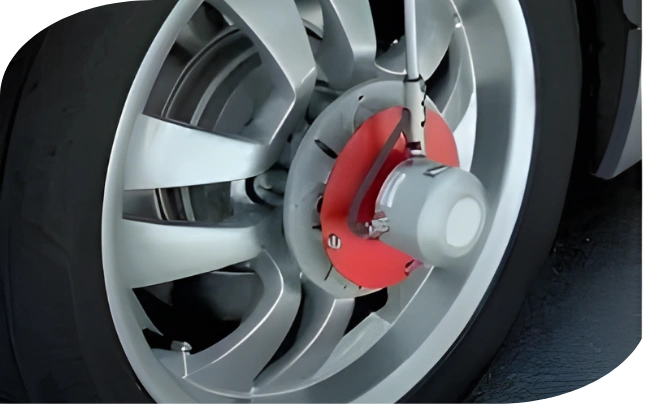
imc Telemetry
Telemetry electronics for rotating and moving components with support for strain, temperature, and vibration measurements.

Smart Sensors & Telemetry
Capture, transmit, and analyze real-time vehicle data for performance, safety, and validation workflows.
View SolutionsOverview
Sensors provide live measurements of motion, pressure, temperature, torque, and position. Telemetry systems then transmit this information with low latency so teams can monitor events during real driving or rig testing.
This combination supports faster debugging, clearer test correlation, and better decisions during development cycles.
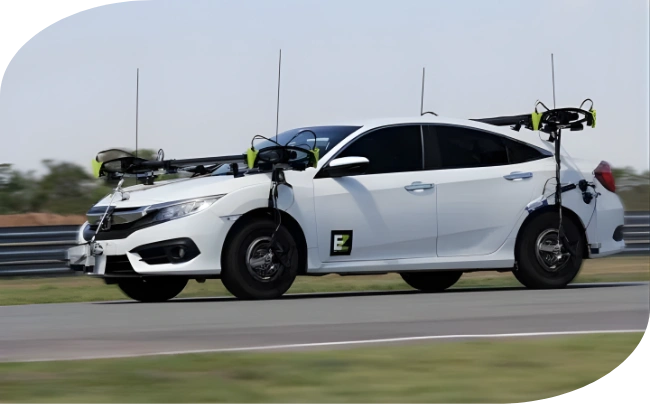
Types Of Sensors & Telemetry
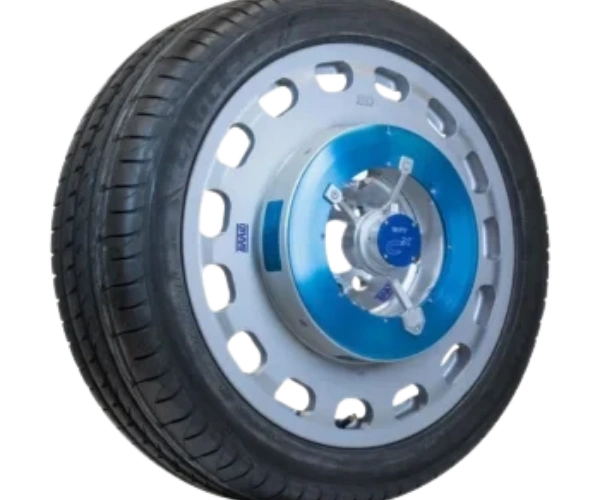
Telemetry electronics for rotating and moving components with support for strain, temperature, and vibration measurements.
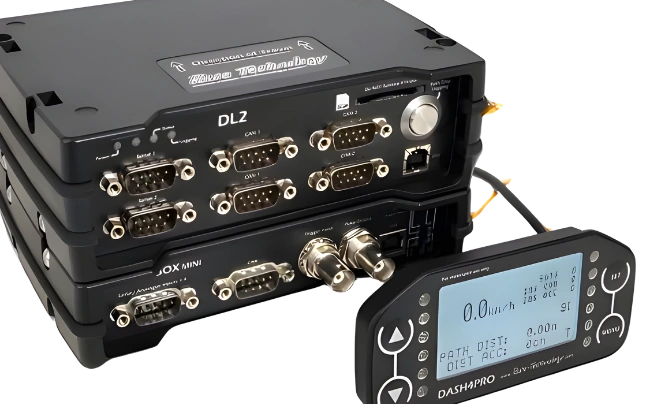
Modular driveline telemetry for torque, pressure, acceleration, and distance channels with integration flexibility.
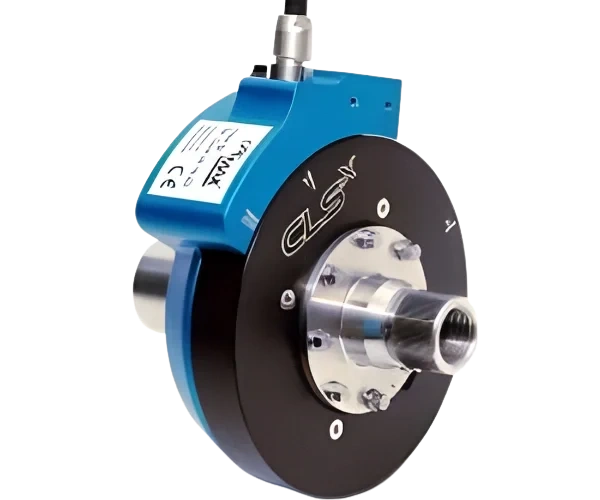
High-accuracy non-contact speed measurement using GPS and inertial fusion outputs over CAN, RS232, and pulse interfaces.
ADAS & Vehicle Dynamics
High-resolution steering effort sensing captures torque, angle, and speed with stable signal quality for ADAS and autonomous function validation.
Additional acceleration channels support deeper analysis of steering-column behavior under dynamic conditions.
Distance & Chassis Measurement
The LHT sensor supports non-contact distance measurement and dynamic angle analysis. It is compact, vehicle-friendly, and available in different measuring ranges.
Analog and CAN outputs simplify integration into mixed DAQ and telemetry setups.

Support
Telemetry wirelessly sends measurement data from the vehicle to external systems for live monitoring and analysis.
Sensors generate the data, while telemetry delivers it in real-time so engineers can react faster and validate results quickly.
Yes, many systems are designed for vibration, temperature variation, and all-weather test conditions.
Typical outputs include CAN, RS232, analog channels, and configurable digital pulses.