Fatigue Risk
Identify fatigue risks and long-term durability issues before market release.
Automotive Validation
ATS Group provides chassis components testing, powertrain testing, and electromobility testing solutions for automotive OEMs, suppliers, and test laboratories.
Overview
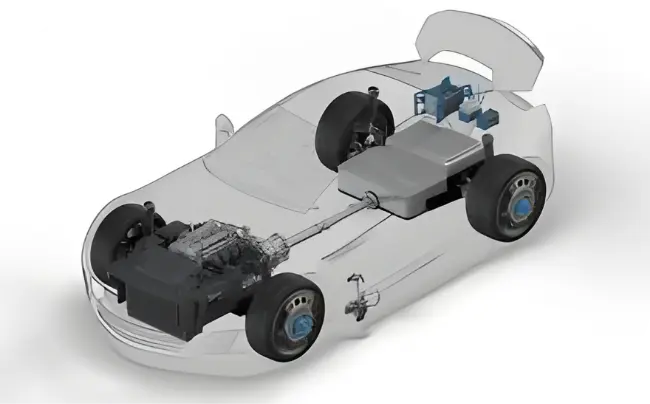
Modern automotive development requires more than basic inspection. Chassis systems, drivetrain assemblies, and EV subsystems must be tested under real loading, real motion, and real operating conditions.
ATS Group supports this requirement with testing solutions that help teams measure, compare, and validate components before production.
Chassis Components
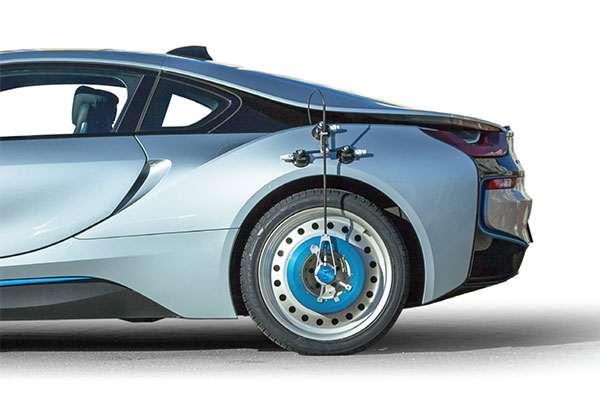
Chassis components testing focuses on parts that support vehicle stability, suspension behavior, road response, and long-term mechanical durability.
These parts include axle pins, spring plates, wishbones, joints, mounts, and other structural elements that experience repeated load during real-world driving.
Chassis Validation
Identify fatigue risks and long-term durability issues before market release.
Recreate road and driver loads in controlled test conditions.
Load simulation, endurance testing, stiffness evaluation, wear behavior, and environmental response.
Next Step
Discuss component test objectives, rig requirements, durability cycles, drivetrain analysis, and electromobility validation needs with ATS Group.
ATS Group supports validation planning, quotation, and technical consultation across India.

Powertrain Testing
Powertrain testing evaluates systems that generate power and deliver it to the wheels, including engines, transmissions, hybrid modules, and electric drivetrains.
The purpose is to measure performance, efficiency, calibration quality, and durability under realistic driving conditions.
Powertrain Metrics
Measure torque output, speed behavior, and driveline response.
Study efficiency loss, performance comparison, and target achievement.
Support ECU calibration, drive-cycle replay, and subsystem interaction analysis.
Support conventional, hybrid, and electric vehicle powertrain development.
Electromobility Testing
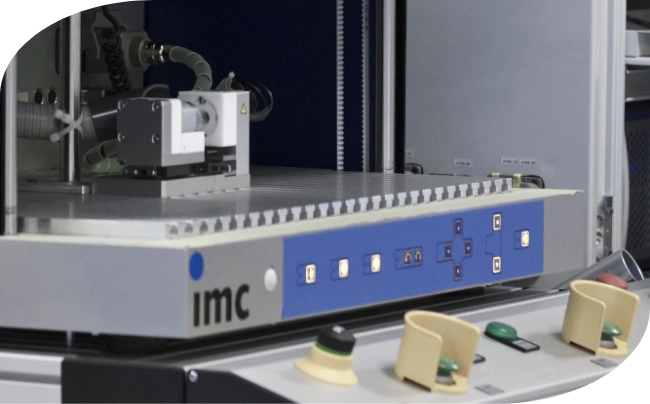
Electromobility testing supports the development and validation of electric vehicle components including motors, power electronics, charging technology, control systems, sensors, and related subsystems.
As EV adoption grows, test programs must verify safety, functionality, and standards compliance across the entire e-mobility ecosystem.
EV Validation
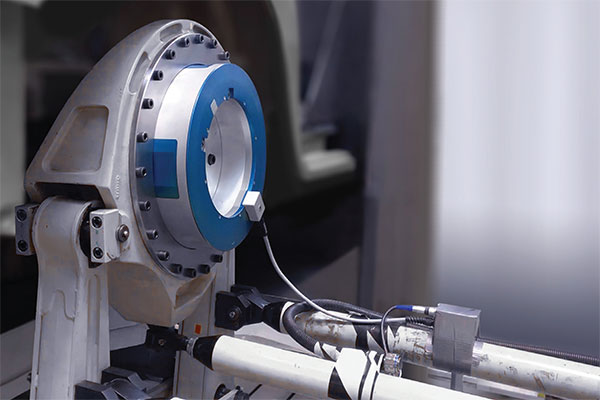
Test Rigs
ATS Group can strengthen this page by presenting test-rig expertise as the backbone of chassis, powertrain, and electromobility testing.
A well-designed test rig helps engineers reproduce real loads, improve repeatability, and compare design variants accurately.
Next Step
ATS Group can help define road load simulation, durability rigs, drivetrain benches, component-specific validation systems, and EV test workflows.
ATS Group supports validation planning, quotation, and technical consultation across India.
Why ATS Group
ATS Group presents these services as a unified testing capability rather than separate topics. That means helping customers choose the correct validation path for chassis parts, drivetrain systems, or EV subsystems based on project goals.
Contact ATS Group
If you need chassis components testing, powertrain testing, or electromobility testing, ATS Group can help you build the right validation approach for your automotive project.
Auto Technical Service India Pvt Ltd provides these services including chassis components testing, powertrain testing, electromobility testing, test rig solutions, durability validation, drivetrain analysis, and electric vehicle component testing for automotive OEMs, suppliers, and labs across India.
Support
Chassis components testing evaluates suspension and structural parts such as wishbones, spring plates, mounts, and joints for durability, stiffness, and road-load response.
Powertrain testing covers engines, transmissions, hybrid modules, and electric drivetrains to measure performance, efficiency, calibration, and durability.
Electromobility testing is used to validate EV components such as motors, inverters, charging systems, sensors, and control electronics.
Test rigs help engineers reproduce real-world loads and operating conditions in a controlled environment so results are accurate and repeatable.
Yes, these services can support conventional, hybrid, and electric vehicle development depending on the component and test objective.
ATS Group
Share your requirement and our engineering team will contact you for testing, instrumentation, compliance, quotation, or product support.